
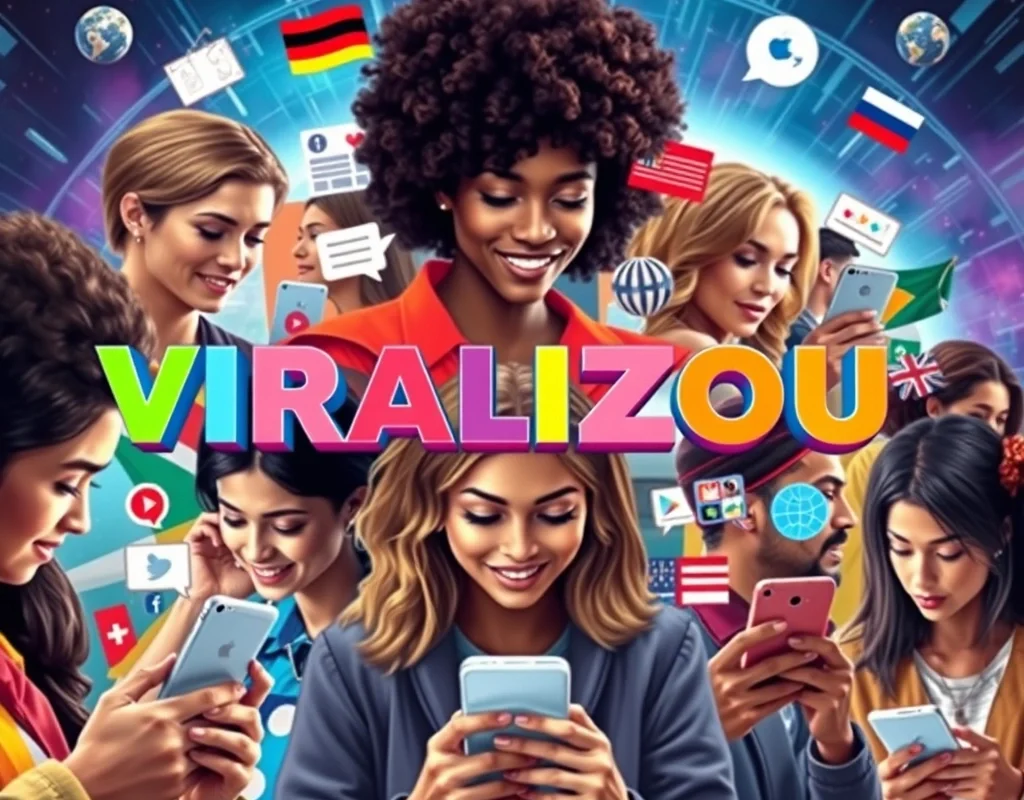
In the sprawling digital landscape of 2026, few phenomena have captured the world’s attention quite like Viralizou. What began as a quirky meme posted on a Brazilian social media platform in early August has evolved into a full-blown cultural movement, with millions of users worldwide adopting its catchphrases, aesthetics, and participatory challenges.
The term ‘Viralizou’ itself, which translates roughly to ‘It went viral,’ became the brand of a new wave of internet culture that blends humor, satire, and social commentary. At its core, the phenomenon thrives on user-generated content, with creators from São Paulo to Tokyo remixing the original format into countless variations, from dance challenges to political memes.
According to digital anthropologist Dr. Ana Souza, ‘Viralizou represents a paradigm shift in how we consume and participate in online content. It’s not just about watching; it’s about being part of a global conversation that transcends language and borders.’
The movement gained mainstream traction when celebrity influencer Marcos ‘Mark’ Oliveira, known for his comedic sketches, posted his take on the Viralizou format, amassing over 50 million views within 48 hours. His collaboration with the popular gaming streamer Luiza ‘Lulu’ Silva further propelled the trend, leading to appearances on national television and even a branded merchandise line.
However, the phenomenon has not been without controversy. Critics point to the rapid spread of misinformation under the Viralizou banner, particularly during political campaigns. In response, platforms have introduced new fact-checking tools, and creators have begun to self-regulate with ‘responsibility tags’ on their content.
Despite these challenges, the impact of Viralizou is undeniable. It has spawned a new genre of digital art, inspired academic studies on virality, and even influenced advertising strategies, with brands eagerly seeking to harness the power of this organic, community-driven content.
As the summer of 2026 draws to a close, Viralizou shows no signs of slowing down. Whether it will endure as a lasting cultural touchstone or fade into the annals of internet history remains to be seen, but for now, it serves as a testament to the ever-evolving, unpredictable nature of the digital age.